
 Login with Google
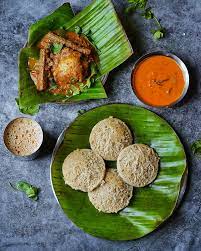
[PROS]
- Low glycemic index supports stable blood sugar management
- High dietary fiber content aids digestion and prolongs fullness
- Naturally gluten-free and gentle on the gastrointestinal tract
- Fermentation improves gut health and micronutrient bioavailability
[CONS]
- Requires substantial advance planning for soaking and fermentation
- Slightly denser texture compared to traditional polished white rice idlis
[DIETITIAN REVIEW]
Score: 9/10. Samai Idly is an outstanding diabetic-friendly breakfast that trades refined carbohydrates for nutrient-dense ancient grains. The synergistic combination of little millet and urad dal delivers a complete protein profile alongside sustained energy release and essential minerals.
| Ingredient | Qty |
|---|---|
| Little Millet / Samai Arisi | 1 cup |
| Urad Dal / Black Gram | 1/4 cup |
| Fenugreek Seeds / Methi | 1/2 tsp |
| Salt | as needed |
| Cooking Oil | to grease |
1. 1. Rinse the little millet and urad dal with fenugreek seeds separately in water until clear.
2. 2. Soak the little millet in water for 4 to 5 hours, and soak the urad dal and fenugreek seeds in a separate container for 3 to 4 hours.
3. 3. Grind the soaked urad dal and fenugreek in a wet grinder or blender, adding cold water gradually until the batter turns light, airy, and fluffy.
4. 4. Grind the soaked little millet to a slightly coarse, semolina-like consistency with minimal water.
5. 5. Combine both batters in a large vessel, mix in the salt thoroughly by hand, and let it ferment in a warm location for 8 to 10 hours until doubled in volume.
6. 6. Lightly grease the idli plates with cooking oil and ladle the fermented batter gently into the molds without deflating the air pockets.
7. 7. Steam in a preheated steamer on medium-high heat for 10 to 12 minutes until a toothpick inserted into the center comes out clean.
8. 8. Allow to rest for 2 to 3 minutes, then scoop out the warm idlis using a wet spoon and serve immediately.