
 Login with Google
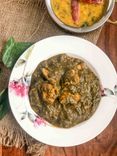
[PROS]
- High in protein from chicken, essential for muscle repair and growth.
- Gongura leaves are rich in vitamins (A, C) and minerals (iron, calcium), boosting immunity and bone health.
- Spices like ginger, garlic, turmeric, and fenugreek offer anti-inflammatory and antioxidant benefits.
[CONS]
- High spice level from green and dry red chillies might not suit all palates or digestive systems.
- Can be high in fat if excessive oil is used in preparation.
- Sodium content can be elevated depending on salt added, which warrants moderation.
[DIETITIAN REVIEW]
This Gongura Chicken Curry is a nutrient-dense dish, providing lean protein from chicken and a wealth of vitamins and minerals from the star ingredient, gongura leaves. The generous use of spices further enhances its antioxidant and anti-inflammatory potential. While its rich flavor is a highlight, individuals sensitive to spice or managing sodium intake should be mindful of portion sizes. Score: 8/10
| Ingredient | Qty |
|---|---|
| Chicken | 500 grams |
| Onion | 2, chopped |
| Tomato | 1, chopped |
| Green Chillies | 4, slit |
| Ginger | 1 inch, finely chopped |
| Garlic | 6 cloves, finely chopped |
| Turmeric powder (Haldi) | 1/2 teaspoon |
| Garam masala powder | 1 teaspoon |
| Sesame (Gingelly) Oil | 2 tablespoon |
| Salt | to taste |
| Sorrel Leaves (Gongura) | 2 cups, picked and chopped |
| Methi Seeds (Fenugreek Seeds) | 1/4 teaspoon |
| Coriander (Dhania) Seeds | 1 tablespoon |
| Dry Red Chillies | 4 |
| Fennel seeds (Saunf) | 1 teaspoon |
| Garlic (for paste) | 4 cloves, crushed |
| Sesame (Gingelly) Oil (for paste) | 1 teaspoon |
1. Prepare the Gongura Paste: Heat 1 teaspoon Sesame (Gingelly) Oil in a small pan. Add Methi Seeds, Coriander Seeds, Dry Red Chillies, and Fennel Seeds. Roast until aromatic, then remove and let cool. In the same pan, add the picked and chopped Sorrel Leaves (Gongura) and sauté until they wilt and the moisture evaporates.
2. Transfer the roasted spices, sautéed gongura leaves, and 4 cloves of crushed Garlic to a mixer grinder. Add a pinch of salt and grind into a coarse or smooth paste, as preferred, without adding water. Set aside.
3. Cook the Chicken Curry Base: Heat 2 tablespoon Sesame (Gingelly) Oil in a large heavy-bottomed pan or pot. Add the chopped Onions and sauté until translucent and lightly golden.
4. Add the finely chopped Ginger, 6 cloves of finely chopped Garlic, and slit Green Chillies. Sauté for another 2-3 minutes until the raw smell disappears.
5. Add the chopped Tomato and Turmeric powder. Cook until the tomatoes soften and turn mushy.
6. Add the 500 grams Chicken pieces and mix well. Season with Salt to taste. Cover and cook on medium heat for about 10-15 minutes, stirring occasionally, until the chicken is partially cooked and releases its juices.
7. Stir in the Garam masala powder.
8. Combine and Finish: Add the prepared Gongura paste to the partially cooked chicken. Mix thoroughly, ensuring the chicken pieces are well coated with the paste.
9. Add about 1/2 to 1 cup of water (or as needed for desired consistency), cover, and simmer on low heat for another 15-20 minutes, or until the chicken is fully cooked through and tender, and the curry reaches your desired consistency. The oil should begin to separate from the sides.
10. Taste and adjust salt if necessary. Serve hot with steamed rice or Indian bread.