
 Login with Google
[PROS]
- Low glycemic index compared to traditional rice idlis, aiding in steady blood sugar regulation.
- Rich in dietary fiber and essential minerals such as iron, magnesium, and calcium.
- Naturally gluten-free and easily digestible due to traditional batter fermentation.
[CONS]
- Yields a slightly denser texture compared to traditional soft white rice idlis.
- Requires advance planning due to prolonged soaking and fermentation times.
[DIETITIAN REVIEW]
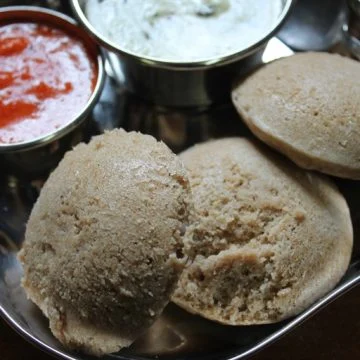
Thinai Idly is an outstanding diabetic-friendly upgrade to the conventional rice-based breakfast. The combination of slow-digesting complex carbohydrates from foxtail millet and plant protein from urad dal provides lasting satiety and metabolic support. Score: 9/10
| Ingredient | Qty |
|---|---|
| Foxtail millet (Thinai) | 60 g |
| Whole white urad dal | 20 g |
| Fenugreek seeds (methi) | 1/4 tsp |
| Salt | 1/4 tsp |
| Pot Water | As needed for soaking and grinding |
1. Rinse the foxtail millet thoroughly in water 2 to 3 times, then soak it in fresh water for at least 4 to 5 hours.
2. In a separate bowl, rinse and soak the urad dal along with fenugreek seeds for about 3 to 4 hours.
3. Drain the soaked urad dal and grind it in a blender or wet grinder with minimal chilled water until light, fluffy, and smooth.
4. Drain and grind the foxtail millet with minimal water to a slightly coarse, semolina-like consistency.
5. Combine both batters in a deep bowl, add salt, and mix well using your hands to initiate fermentation.
6. Cover the bowl and allow the batter to ferment in a warm place for 8 to 10 hours until it rises and turns airy.
7. Gently stir the fermented batter, pour ladlefuls into lightly greased idli molds, and steam on medium-high heat for 10 to 12 minutes.
8. Rest for 2 minutes after turning off the heat, unmold using a wet spoon, and serve warm with chutneys.